Jun 1, 2026
The Hidden Face of Homelessness: Individuals vs. Families Experiencing Homelessness
When you picture someone experiencing homelessness, do you think of a single adult? Maybe you picture someone asking for change at an intersection, or sleeping in a doorway? That’s the image that comes to mind for most of us because it’s the visible face of homelessness.
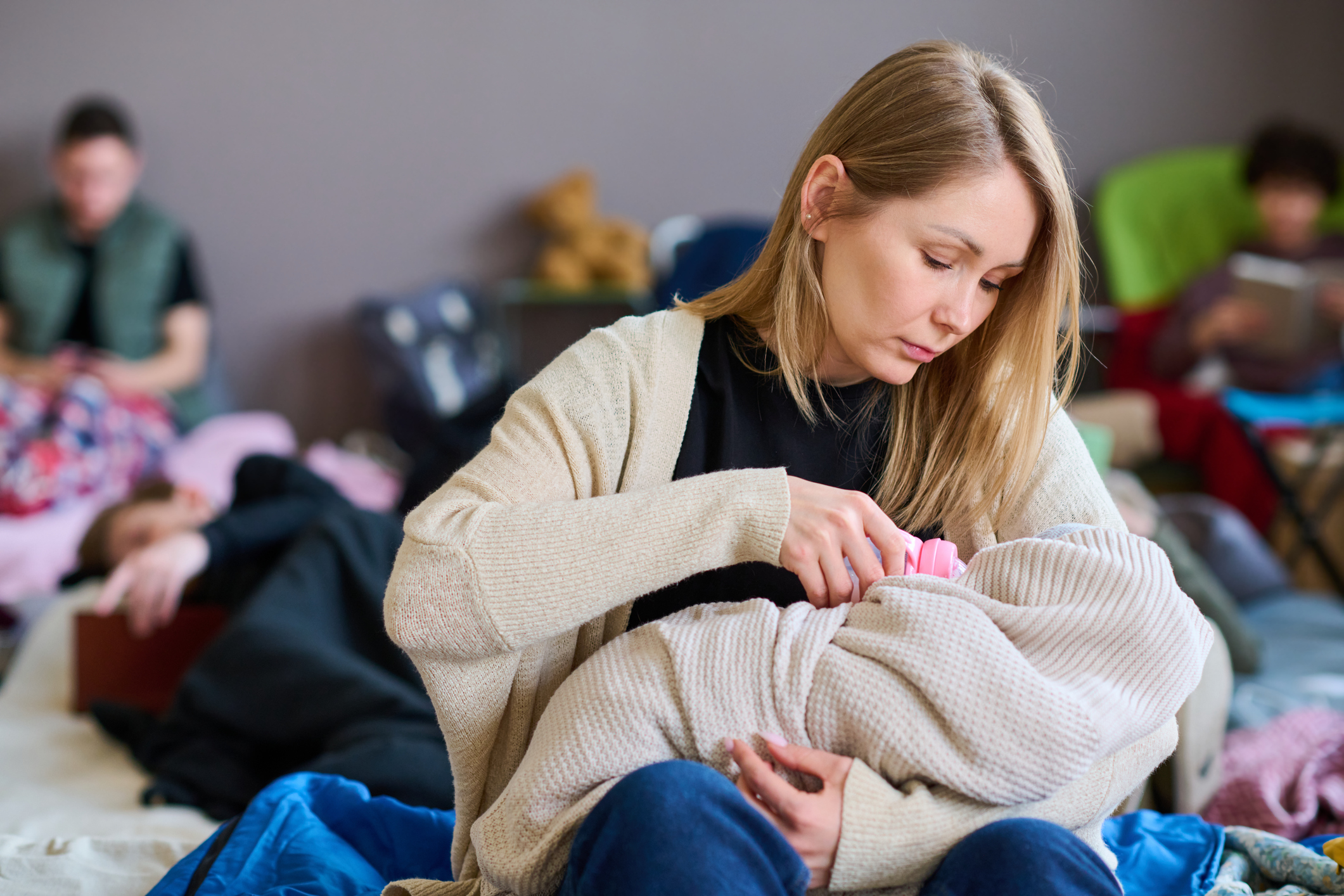
But there’s another population experiencing homelessness that we’re far less likely to see: families with children.
Some are living in their cars, at a shelter, or in a motel room. They’re trying hard to maintain appearances.
Vision House exists so that they won’t have to.
For 35 years, Vision House has focused specifically on families with children. Not because individual homelessness doesn’t matter, but because family homelessness requires fundamentally different interventions. Understanding these differences is important if we want to solve the crisis in King County.
Family Homelessness
The Seattle Metro Area faces a homelessness crisis three times the national average. For families already stretched thin, a single crisis can become catastrophic: a medical emergency, a layoff, a rent increase, a divorce. Along with these crises, domesticviolence is a leading causes of family homelessness, particularly for women and children. Research shows that 38% of all domestic violence victims experience homelessness at some point in their lives.
What unites these families isn’t irresponsibility or poor planning. It’s the reality of living on the edge in one of the least affordable housing markets in America. Providing housing for you and your children can be a different challenge than for only yourself, with additional beds, food, childcare and transportation needed, all while trying to find good schools and safe neighborhoods.
“Family homelessness saw the largest increase among all types of homelessness, rising 39% over the previous year.” – Institute for Children, Poverty & Homelessness
Individual Homelessness
Individual homelessness — particularly chronic homelessness — can be connected to severe mental illness (34%), substance use disorders (47%), disability, long-term poverty, or history of trauma. Single women can experience homelessness because of domestic violence (17%). Crisis events that affect families equally can effect individuals. Efforts to support these individuals often center on providing permanent supportive housing that combines long-term assistance with integrated behavioral health services and intensive case management.
While the impression many have is that substance use disorder or serious mental illness are the majority of stories, the reality is that the crisis events that affect families equally affect individuals. Cases of serious mental illness and substance use disorder are a much smaller than people tend to think. Kevin Adler, author of “When We Walk By,” and keynote speaker at last year’s Vision House Annual Luncheon, writes well about this in his book, which we can highly recommend for further reading!
Both populations deserve comprehensive support. But the interventions that work for chronic individual homelessness don’t necessarily work for families. It’s a different crisis, so we’re taking a different approach to solving it.
Why We Provide Transitional Housing
When families experiencing homelessness lose their housing, they also lose stability, community, and the psychological safety that lets children focus on school instead of survival.
Emergency shelter solves the immediate problem, but it doesn’t address why the family became homeless in the first place, or build the foundation needed to prevent it from happening again.
That’s why we operate transitional housing with wraparound services rather than emergency shelter or rapid rehousing. Our families stay approximately one year — not because they need charity for 12 months, but because sustainable change takes time and comprehensive support including counseling, recovery referrals, employment support, life-skills training, and more.
Throughout this process, families live in their own apartments at our Renton and Shoreline facilities. These are not shelters or motel rooms — they are actual apartments with kitchens for family meals, living rooms for homework, and safe spaces for parents to breathe.
While Vision House is not an emergency shelter, we can still support families who come to us for help even if our transitional housing units are full and we have to add them to our waitlist. At our diversion centers, we help connect them with housing, career, and other key resources - surrounding them with holistic support and guidance as they move toward stability.
This isn’t luxury. It’s dignity. And it’s essential for the kind of rebuilding these families are doing.
The Impact on Children
Addressing family homelessness becomes even more urgent when we look at its impact on children. Children experiencing homelessness face increased sickness, hunger, and mental health challenges. They may struggle academically due to frequent absences and distractions — it’s hard to focus on long division when you don’t know where you’ll sleep tonight.
Without effective intervention, there’s also a serious risk of generational homelessness. Children who experience homelessness without adequate support are more likely to experience it again as adults. Vision House interrupts this cycle: 88% of families who complete our program transition to permanent housing, providing stability their children can build on.
The hidden people experiencing homelessness deserve to be seen. Families in crisis deserve comprehensive support. Children deserve freedom from generational cycles. And every one of them deserves a community that understands their specific needs and commits to equipping them with solutions that work.


